How to Shop Online Safely and Avoid Getting Scammed
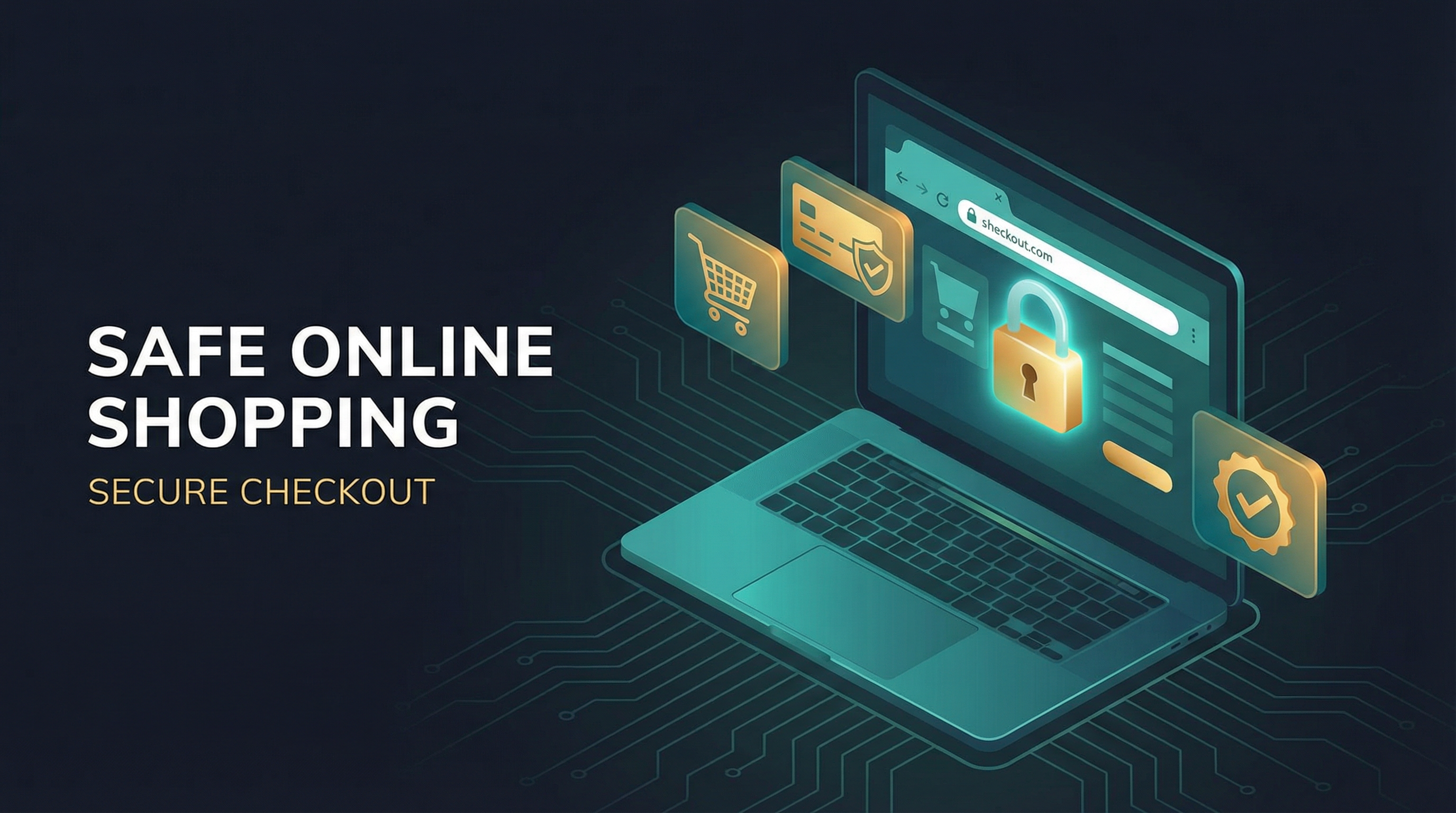
Online shopping has never been more convenient — or more targeted by scammers. From fake websites to phishing emails to insecure payment pages, the risks are real. But with a few smart habits, you can shop online with confidence.
Verify the Website Before You Buy
Before entering payment information on any website, verify that it's legitimate. Look for HTTPS in the address bar (the padlock icon). Check the domain name carefully — scammers create sites with names like 'amazon-deals.com' or 'paypa1.com' that look legitimate at a glance. If you're unsure, search for the retailer directly rather than clicking a link.
Use a Credit Card, Not a Debit Card
Credit cards offer significantly better fraud protection than debit cards. If a fraudulent charge appears on your credit card, you can dispute it and typically get your money back. With a debit card, the money is gone from your bank account immediately and recovery is harder.
Watch Out for Deals That Are Too Good to Be True
Scam shopping sites often advertise dramatically discounted prices on popular items. If a deal seems impossibly good — a $1,200 laptop for $200, for example — it's almost certainly a scam. Stick to well-known retailers or verify unknown ones carefully before purchasing.
Use a VPN on Public Wi-Fi When Shopping
Never enter payment information on public Wi-Fi without a VPN. On an open network, your data can be intercepted. A VPN encrypts your connection so your payment details are protected even on insecure networks.
Monitor Your Statements
Check your bank and credit card statements regularly — ideally weekly. Fraudulent charges are often small at first (scammers test cards with small amounts before making larger purchases). Catching them early limits the damage.
Bottom Line
Online shopping is safe when you approach it with a bit of awareness. These habits take very little extra time and significantly reduce your risk of being scammed or having your payment information stolen.